Brisbane’s Top Five Building Issues
Common defects affecting Brisbane homes
In my 20+ years in the building industry, I’ve seen the best and worst of Brisbane properties.
Perhaps the most memorable was a 1970s architecturally designed Queenslander I inspected that had extensive termite damage to the subfloor timbers – and the poor owner had no idea.
Thankfully, those cases are rare. But while every property is different, there are five common defects I come across time and time again in Brisbane homes.
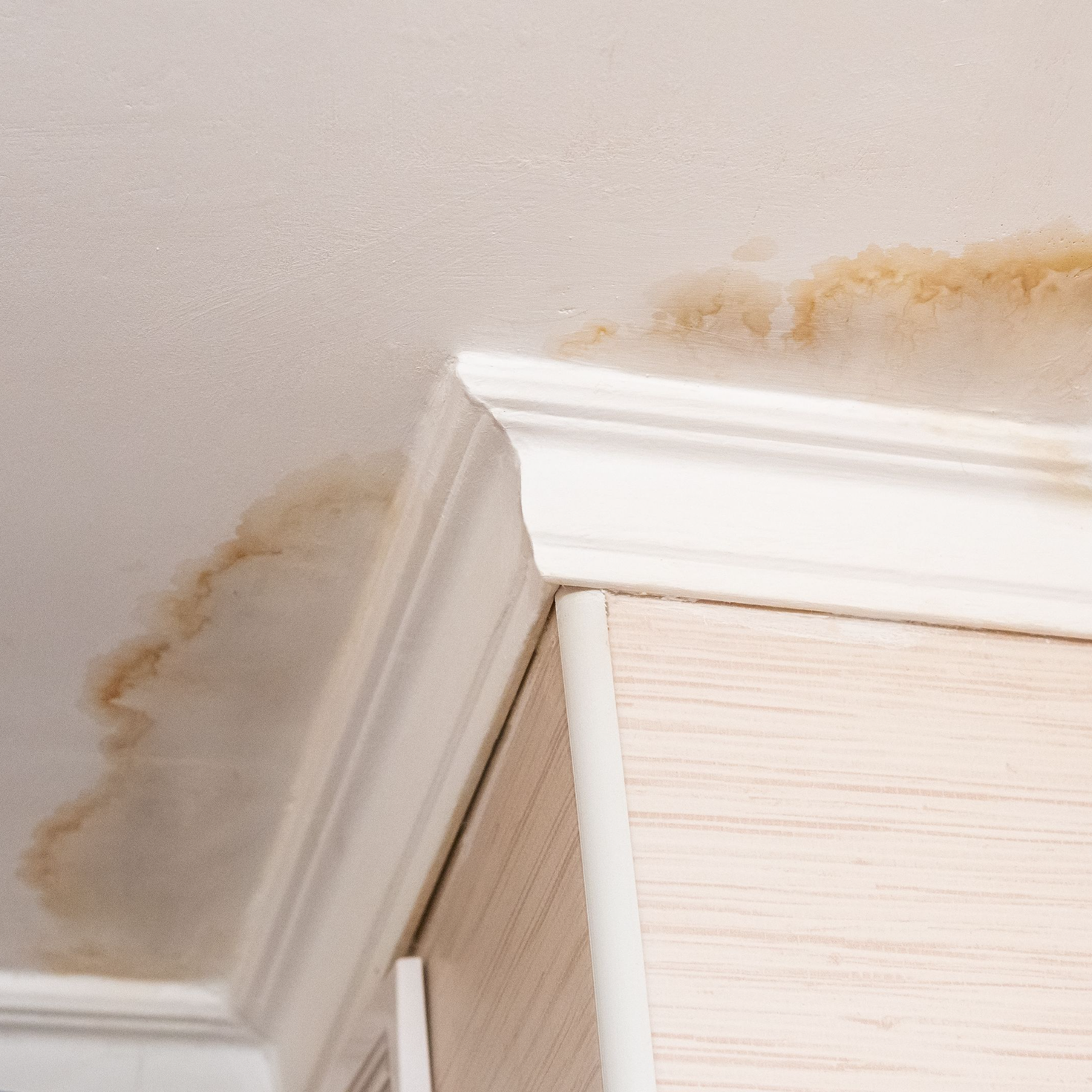
1. Moisture and water ingress
Hidden moisture can cause serious long-term damage before it becomes visibly obvious. Common issues include leaking showers, stained ceilings, balcony leaks, failed waterproofing, roof leaks and water-damaged skirtings or architraves. These problems are often caused by roofing defects, plumbing faults, building envelope issues or ground moisture. Signs to watch for include:
Yellow or brown stains on ceilings or walls
Peeling paint or bubbling plasterboard
Persistent musty smells
White powdery stains on brick or concrete
Damp patches or soft walls behind furniture.
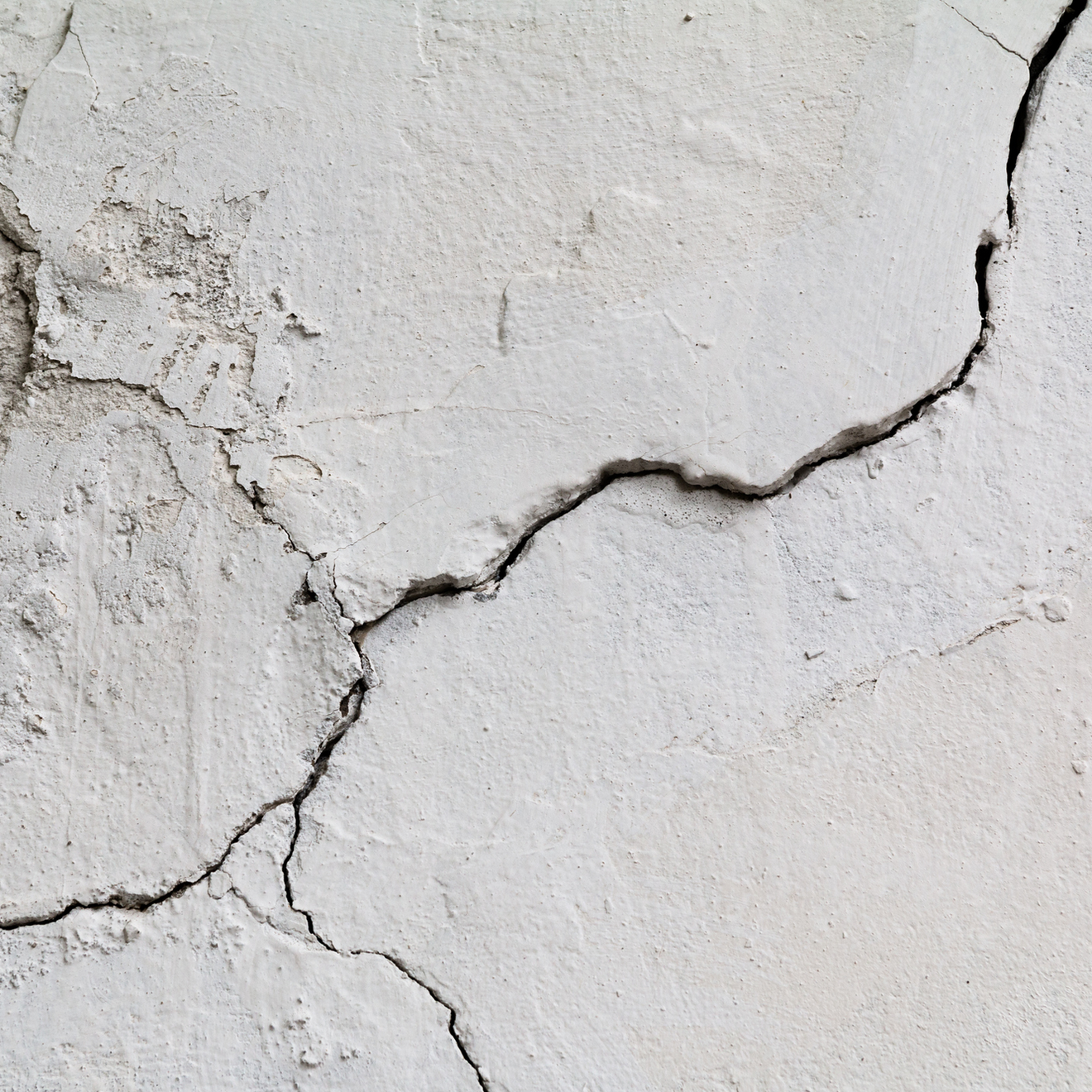
2. Cracking and structural movement
Cracks in walls and floors are common in both new and older homes. While fine hairline cracks are often part of normal settling, wider cracks, sticking doors or uneven floors can indicate active structural movement. Foundation movement is commonly linked to changing soil moisture conditions, poor drainage, erosion, tree roots or natural settlement and subsidence. Common warning signs include:
Stepped cracks in masonry
Cracks around doors and windows
Movement in articulation joints
Sloping floors or floor level discrepancies
Doors and windows that suddenly become difficult to open or close.
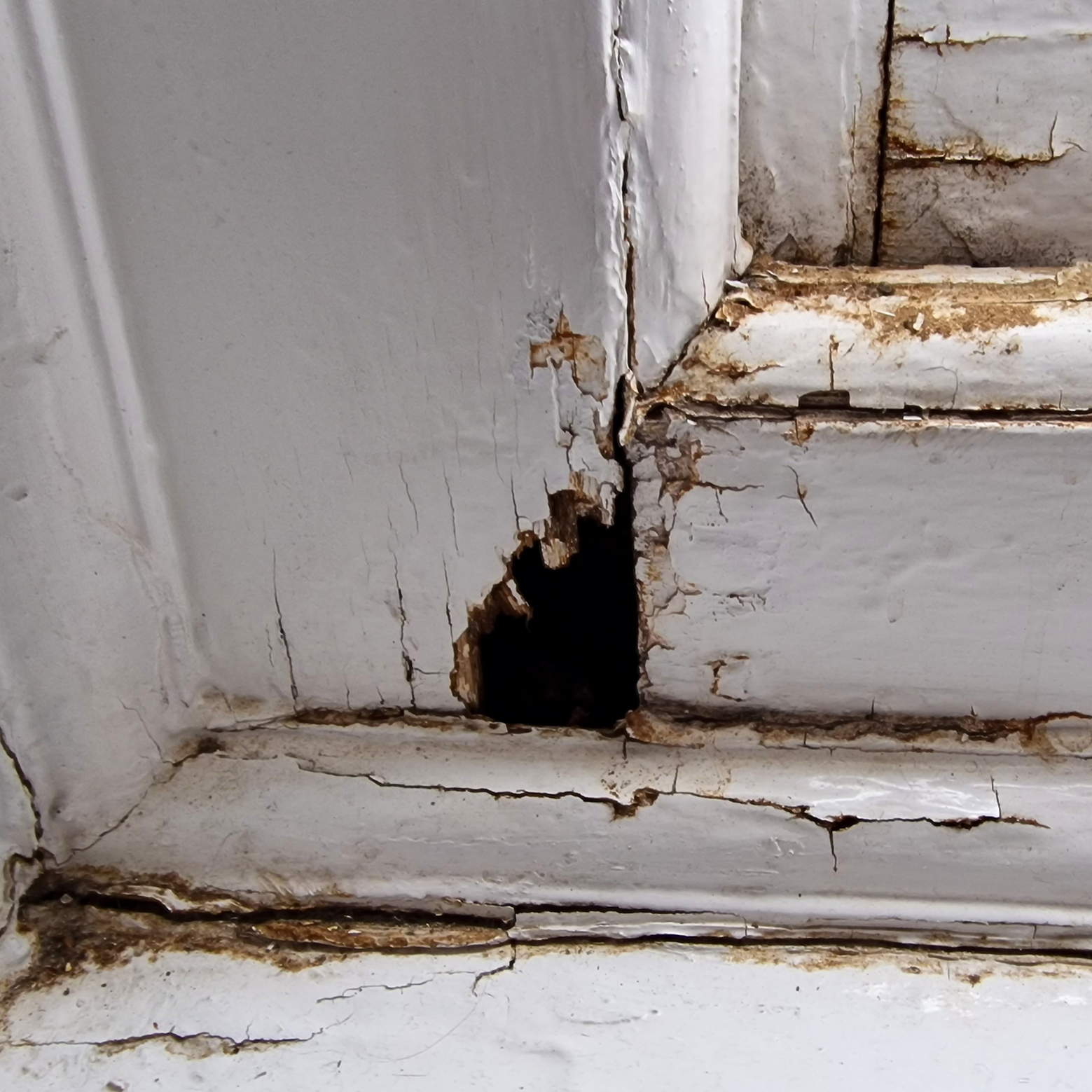
3. Fungal decay damage
Commonly known as wood rot, fungal decay occurs when moisture-loving fungi begin breaking down structural timber.
It’s frequently found in timber decks, pergolas, balcony framing, fencing, retaining walls, door frames and roof junctions exposed to moisture.
Left untreated, fungal decay can severely compromise a building’s structural integrity. What to look out for:
Timber that crumbles or dents easily
Dark, grey or white discolouration in wood
Timber cracking across the grain
Musty odours
Mushroom-like growths.
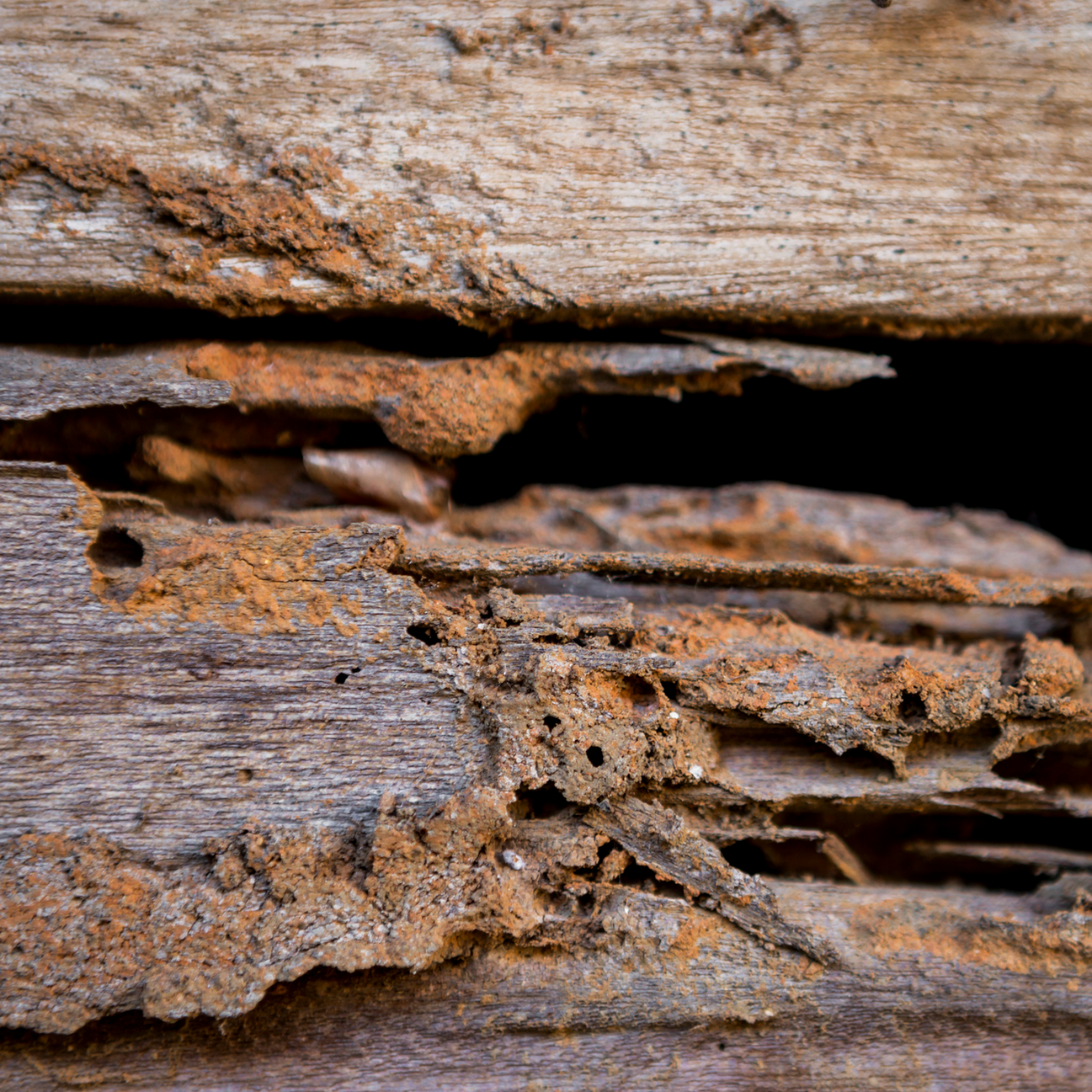
4. Termite-related defects
Termites are one of the leading causes of heartbreak for homeowners. By the time visible evidence appears, the damage is often already extensive.
Common termite-related issues include structural timber damage, termite nests, concealed slab edges and moisture conditions that increase termite risk. Warning signs include:
Timber that sounds hollow when tapped
Mud tunnels along brickwork or footings
Bubbling paint or bulging walls
Sticking doors and windows
Fine dust or seed-like droppings near timber
Professional termite protection solutions can help reduce the risk of infestation by creating a treated zone around the property. While no system can make a home completely termite-proof, early detection and prevention are critical.
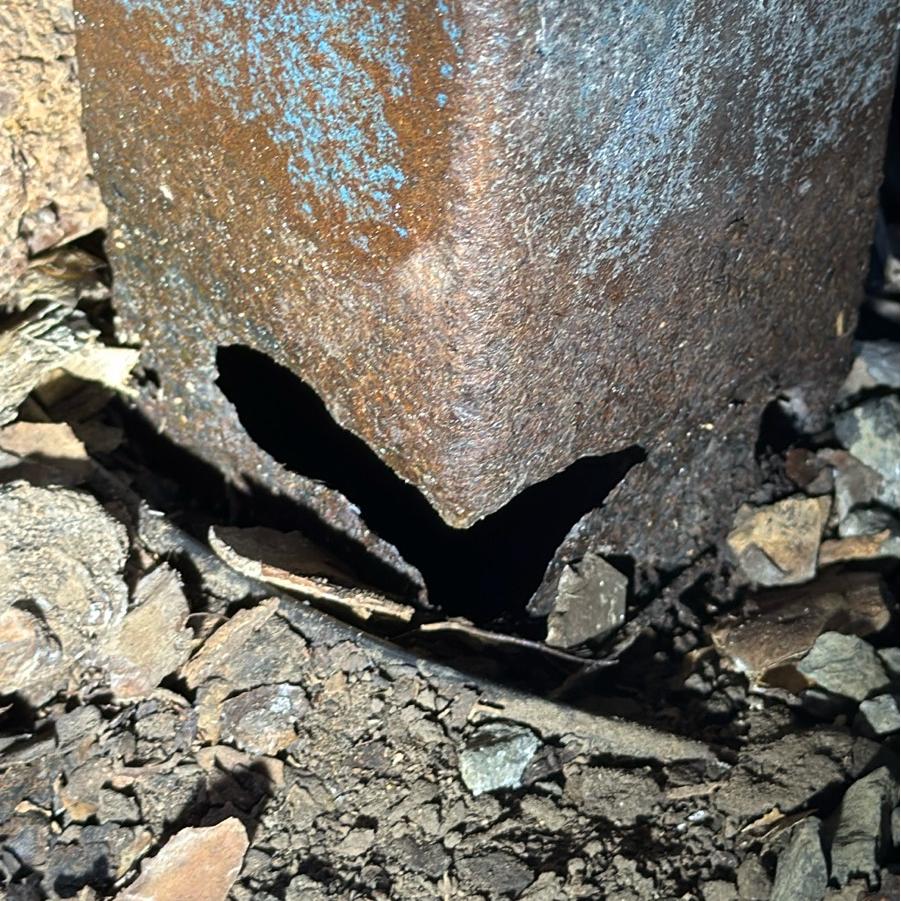
5. Rusting and corrosion
Rust and corrosion commonly affect roof sheeting, steel posts, gutters, balustrades, flashings and structural steel framing – particularly in coastal areas. Poor ventilation, leaking plumbing and trapped condensation create ideal conditions for corrosion to develop.
Early warning signs include:
Red or brown rust streaks
Flaking concrete
Bubbling or peeling paint
Cracks running parallel to steel reinforcements.
Prevention is always better than the cure
Most people organise a building inspection when buying or selling a property, often once a contract is already on the table. But by then, there can be a lot at stake.
My advice is simple – arrange a professional building inspection every year or so to stay ahead of potential issues.
The good news is that all of the problems above can usually be addressed far more easily and affordably when identified early.
– Chris, Inspector Pro + Termite Pro